When you purchase through the links on my site, you support the site at no extra cost to you. Here is how it works.
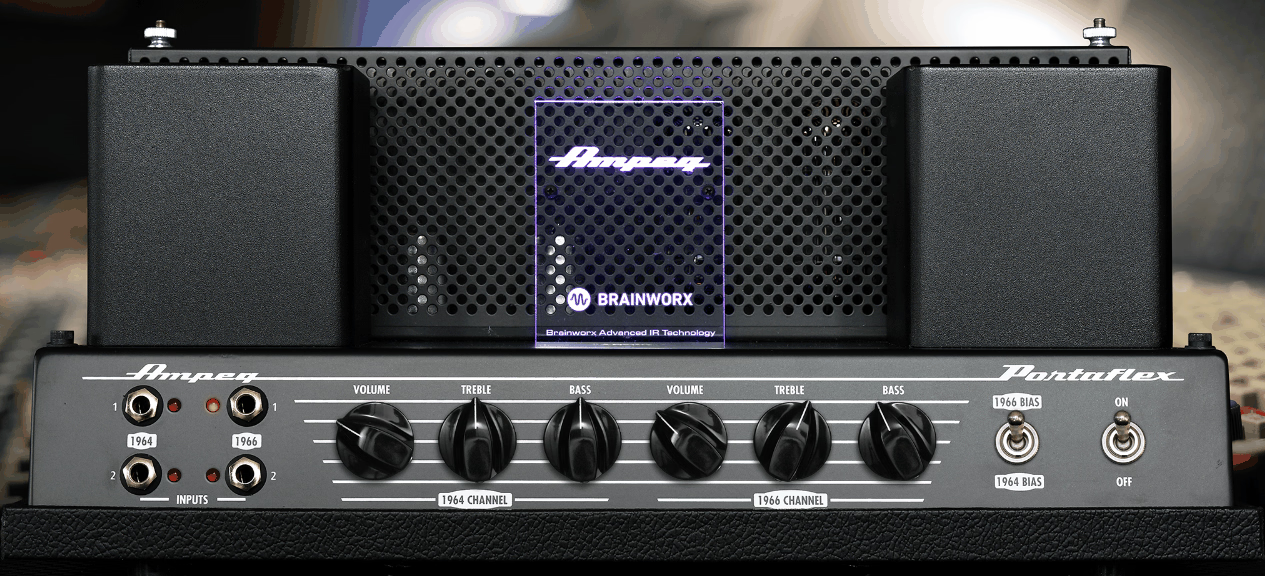
When I want a bass sound that feels warm and rounded without losing definition, I often prefer an amp with a strong personality over a clean DI chain with several plugins around it. Brainworx’s take on the 1964 Ampeg B-15N focuses on that specific Portaflex sound, with tube-driven warmth, cabinet character, and a simple control set that is easy to work with.
I would not treat Ampeg B-15N as an all-purpose bass amp, though. Its appeal comes from getting one particular vintage tone quickly, and I’ve found that much more useful when the track calls for soul, R&B, indie, or other production where a clean modern bass sound feels too polished.
The Portaflex Tone
A lot of the character comes from how the tube circuit, transformer, tone stack, and closed-back Portaflex cabinet work together. That combination gives the bass its familiar low-mid weight and rounded response, so you are shaping more than just EQ when you adjust the amp.
I usually start with the tone controls close to neutral and make small changes from there. The bass, mid, and treble controls interact like an amp’s tone stack rather than a surgical EQ, so a bass boost can also change the perceived warmth and balance of the instrument.
The Ultra-Low and Ultra-High switches are useful when the original cabinet response needs a little help for a modern mix. I tend to use Ultra-Low when I want more weight underneath an electric bass, while Ultra-High can help brighter playing styles retain enough definition.
- Tube and transformer character
The amp adds harmonic warmth and low-mid density before you even start pushing the gain, which can make a DI bass feel less clinical without requiring heavy distortion.
- Interactive tone controls
Because the tone stack behaves more like an amplifier than a conventional EQ, small changes can affect the overall character of the bass, so I make broader tonal decisions here and leave surgical corrections to the DAW.
- Extended frequency switches
Ultra-Low and Ultra-High let you adapt the vintage-inspired circuit to modern bass arrangements, particularly when the original cabinet response feels too limited at either end.
Tube Drive
This is where I get the most obvious change from the plugin. With the input gain kept fairly clean, the tube stage adds harmonic density and body, while increasing the gain further brings in compression and audible drive.
I usually look for the point where the bass becomes easier to hear without sounding obviously distorted. That sweet spot depends heavily on the DI source and playing style, so I would not rely on a fixed gain percentage; listen for the moment when the added harmonics help the bass sit in the mix.
When you push the gain harder, the amp becomes a more deliberate effect. That can work nicely on rock or alternative bass, but I would choose it for the B-15 character first and the amount of distortion second, since this is not meant to compete with dedicated high-gain bass amps.
Cabinet and Microphone Positions
The cabinet is a big part of the sound, and you get three microphone positions to shape how much of its character comes forward.
I tend to start with the close position when the bass needs definition and move farther back when I want a softer, more spacious result. The mid and far positions introduce more room character, which can be useful when the bass needs to feel less close and direct.
You cannot blend the three positions internally, but running separate instances and combining them in your DAW gives you more control. I’ve found that useful when I want the focus of a close mic with a small amount of additional room character.
Beyond Bass
Bass is clearly where this amp makes the most sense, but I would not stop there. Electric piano and keyboards can take the tube coloration well, particularly when a clean DI signal feels too sterile for soul, vintage, or indie production.
I’ve also used amp processing more creatively on vocals and drums. A little of the cabinet and tube character in parallel can add low-mid density and texture without forcing the entire source through the amp sound.
That kind of use works best when you blend it rather than insert it at full strength. You are using the B-15 character as another layer of tone, not necessarily trying to make every source sound like it was recorded through a bass amp.
Where It Fits Best
The strongest use case for me is electric bass in warm, restrained productions. Soul, R&B, indie, pop, and vintage-influenced arrangements benefit from the rounded low-mid character because it gives the bass presence without automatically making it brighter or more aggressive.
It also works when you want a bass to sit with the drums and keys as part of the same tonal world. Processing related instruments through the same amp character can help create that sense of cohesion, especially when you blend the amp signal rather than relying on it exclusively.
- Electric bass
Use it when you want round low mids, tube warmth, and a recognizable vintage amp character rather than modern high-gain aggression.
- Keys and electric piano
The tube stage can add harmonic weight and character to clean keyboard sounds that feel too direct.
- Parallel texture
A quieter amp signal can add grit and cohesion to drums or vocals without making the source sound obviously amplified.
A Practical Workflow
I usually begin with the DI bass at a sensible level and keep the amp relatively clean. From there, I adjust the tone stack and cabinet position until the bass sits naturally with the kick and other low-frequency material.
Once the basic tone works, I increase the gain gradually. If the bass becomes louder but not more useful, I back it off; the goal is usually to add harmonics and density rather than simply increase saturation.
For a more modern mix, I would also compare the amp output against the DI. Blending the two can give you the transient clarity of the clean signal with the weight and harmonic character of the amp, which is often more flexible than using either signal on its own.
- Start clean
Get the basic bass tone working before adding drive. The amp’s character is already present at conservative gain settings, so you may need less saturation than expected.
- Shape the cabinet
Choose the mic position according to the mix. A closer position gives more definition, while moving farther away can soften the sound and introduce more room character.
- Blend with DI
Keep some clean signal when you need attack and low-end control but still want the tube and cabinet character around it.
Where It Falls Short
The fixed Portaflex concept is also the main limitation. You are buying into one cabinet and one very specific bass-amp voice, so there is little flexibility if you need several different cabinet flavors from the same plugin.
I also would not choose it for modern high-gain bass as my first option. You can push the input hard, but its natural strength is warmth, weight, and harmonic character rather than aggressive distortion.
Another consideration is that the controls are intentionally focused. That is useful when I know the sound I’m after, but producers looking for extensive cabinet swapping, impulse responses, or detailed mic blending will find the architecture restrictive.
Pros and Cons
Pros
- Distinctive vintage character
The combination of tube amplification, transformer coloration, tone-stack behavior, and Portaflex cabinet response gives you a specific sound that is difficult to reproduce with a clean DI and generic saturation.
- Easy to dial in
The relatively simple control layout lets me get to the useful part of the sound quickly without spending half the session rebuilding an amp chain.
- Works beyond bass
Keys, electric piano, vocals, and parallel drum processing can all benefit from the same harmonic coloration when the mix needs a little more character.
- Useful with modern production
Ultra-Low and Ultra-High give you some flexibility when the vintage circuit needs to sit inside a more contemporary arrangement.
Cons
- Limited cabinet flexibility
You get one Portaflex cabinet character, so this is not a replacement for a broad cabinet-and-mic collection.
- Specialist tonal range
The amp is strongest for warm, rounded bass sounds, making it a weaker choice when aggressive modern distortion is the main goal.
- Focused controls
You get the essential tone-shaping tools, but not the deeper cabinet, microphone, and routing flexibility found in more comprehensive amp platforms.
Verdict
I would look at this bass amp as a tone-specific amp rather than a general-purpose bass solution. When I need a bass to feel warm, rounded, slightly compressed, and rooted in that classic Portaflex character, it gets me there without requiring a complicated chain.
You should consider B-15N when that sound comes up regularly in your work, particularly for soul, R&B, indie, pop, vintage-inspired production, and clean-to-moderately-driven bass. If your sessions are mostly modern high-gain rock or metal, you will get more from an amp designed around that job.
The easiest test is to put a DI bass through it and compare three versions: clean, lightly driven, and blended with the DI. If the amp version immediately gives the bass the weight and character your mix was missing, it is doing something worth having; if you keep preferring the clean DI, you probably do not need another specialist bass amp in your collection.

Hey, I’m Vil, I started this site to help you find the best audio plugins covering various categories including synths, pianos, strings, and effect tools of all sorts as well. I pick these plugins based on various criteria so it best matches the actual topic.