When you purchase through the links on my site, you support the site at no extra cost to you. Here is how it works.
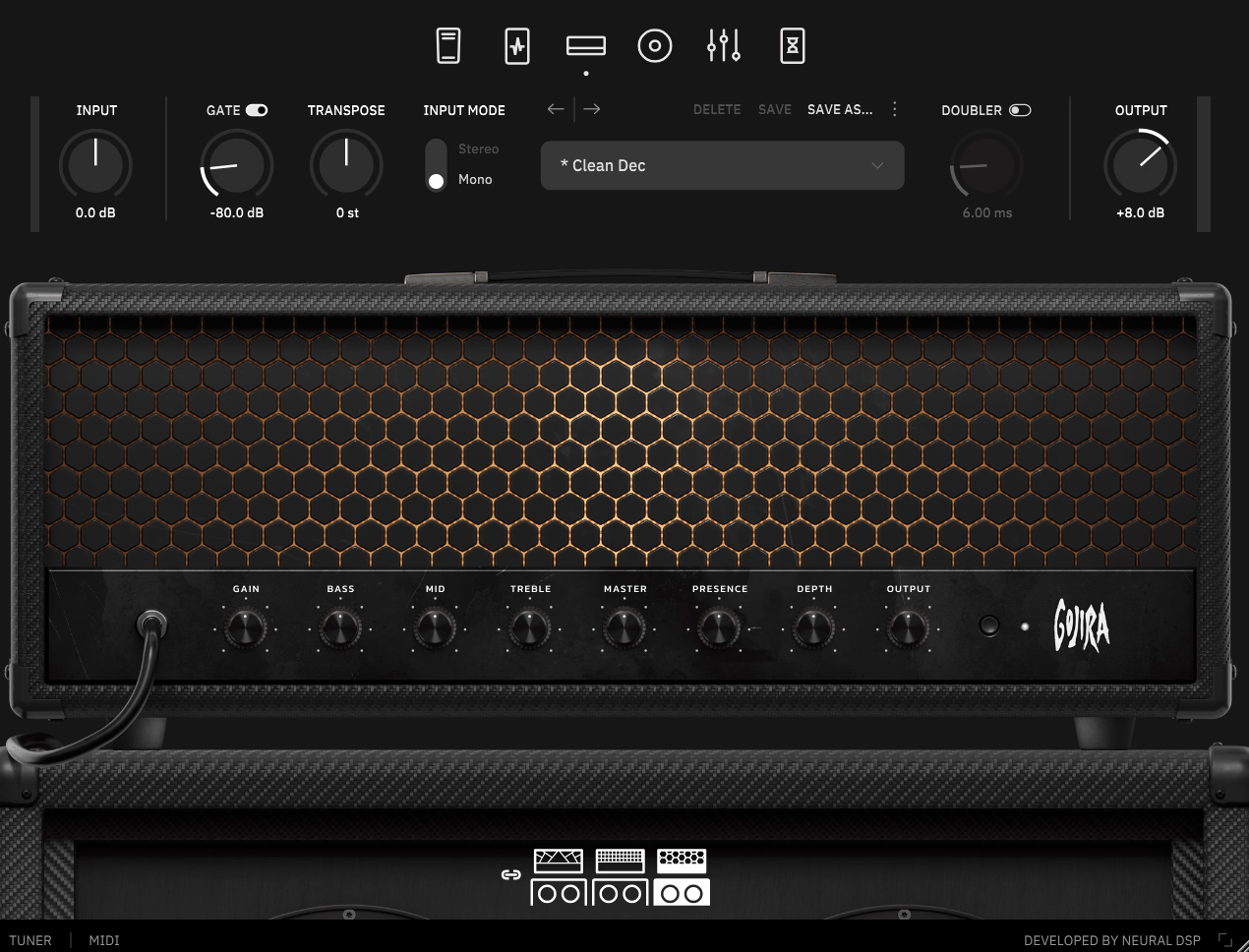
Modern metal usually exposes weak amp modeling pretty quickly because low tunings, fast palm mutes, and dense layered guitars leave very little room for loose low end or smeared mids. Archetype: Gojira X is built around that challenge, giving you three amp channels and a cabinet setup aimed at keeping heavy guitars tight, defined, and usable in a busy mix.
But that focus is not limited to high-gain tones. The crunch and lead channels are especially effective for metal, djent, progressive, and alternative guitars that need tight low end, clear note separation, and enough midrange definition to sit alongside bass and drums.
- Focused amp selection
Three channels cover clean, crunch, and lead, with the heavier voices aimed particularly at downtuned and modern metal playing.
- Tight low end
The Tight switch and Resonance control give you useful control over the low-frequency response, which matters when you’re working with extended-range guitars or lower tunings.
- Neural Captures
Captured amplifier responses add another option beyond the main modeled channels, giving you different amp characters while keeping the same overall workflow.
Three Amp Channels
The clean channel has enough warmth and headroom for more than basic clean chords. I like it for ambient passages, arpeggios, and quieter sections where the guitar needs some body instead of sounding thin beside the heavier parts.
Crunch is where the intended character becomes much clearer. It stays relatively tight under palm muting while keeping enough note separation for complex chords, which is exactly what I want from a rhythm sound in drop tunings.
Lead takes that approach further with more gain, sustain, compression, and harmonic density. You can get plenty of aggression without immediately losing the individual notes, which is important when fast single-note lines need to cut through dense guitars and drums.
Clean
Useful for dynamic cleans and atmospheric parts where you still want some weight and amp character.
Crunch
Best suited to tight rhythm guitars and lower-tuned playing, particularly when clarity matters as much as gain.
Lead
Gives you more sustain, compression, and saturation for solos and heavier single-note parts.
Neural Captures
Alongside the main amp channels, you get Neural Captures of specific amplifier sounds, adding another layer of tonal choice without turning the plugin into a huge browsing exercise.
I find the crunch-oriented captures particularly useful when I want a little more variation in the rhythm tone. Playing dynamics remain important, so changing your picking intensity can produce noticeable differences in compression and harmonic response instead of giving you a completely static sound.
The clean captures are useful for the same reason. When you back off your picking or volume, the response changes with you, which can make softer parts feel more natural.
Cabinet and Microphones
The cabinet section is closely matched to the amp voicing, while the IR loader gives you the option to replace the supplied cabinet sound with third-party impulse responses. That’s useful when you already know which IRs work for your guitars and do not want to change your entire amp setup.
You can also blend two microphones with independent placement and level controls. I usually start with a dynamic mic for midrange focus and add a condenser when I need more upper-frequency detail, then adjust the balance while listening in the full mix.
- Dual microphones
Combining two microphones lets you balance attack, mids, and top-end detail without changing the amplifier itself.
- Microphone placement
Small positioning changes can make a bigger difference than expected, so I usually adjust the mic before reaching for more EQ.
- IR loading
You can bring in your own cabinet impulse responses when the factory cabinet does not quite fit the guitar or mix.
Effects and Noise Control
The effects cover the main things I need around a modern guitar rig, including overdrive, compression, modulation, delay, and reverb. I tend to use the overdrive before the amp to tighten the low end, particularly when the rhythm guitars need more definition rather than additional gain.
For cleaner and more atmospheric parts, the post-amp effects are useful enough to keep the basic rig self-contained. I still reach for dedicated delay and reverb plugins when those effects become an important creative layer rather than simple finishing tools.
High-gain guitars also make noise control important. The built-in gate and downward-expander behavior give you more control over silent passages without having to chop sustained notes, which is particularly useful with noisy pickups and heavily distorted tones.
- Overdrive
Use it before the amp when you need tighter low end and stronger midrange focus, rather than simply more distortion.
- Delay and reverb
These work well after the cabinet when you want space around the guitar without changing its core amp character.
- Noise gate
Helpful for controlling pickup, cable, and rig noise between phrases while keeping sustained notes intact.
Standalone and MIDI Control
You can run the plugin in standalone mode, which makes it useful for practice, rehearsal, and live setups without opening a DAW. MIDI mapping also lets you control channel changes and other functions from a foot controller.
I’ve found that useful when a part moves between clean, crunch, and lead sounds. Instead of stopping to change settings, you can switch channels from your controller and keep the performance moving.
CPU use is also reasonable under normal settings, although your buffer size and overall session still matter. If you’re running several amp instances alongside other heavy plugins, I would still keep an eye on latency and system load.
Where It Fits Best
This is primarily a modern metal guitar tool, and that’s where I would put most of its value. Drop-tuned rhythms, djent-style riffs, progressive metal, and dense layered guitar arrangements benefit from the tighter low end and focused midrange.
You can also get useful results outside those genres, particularly from the clean and crunch channels. They are not the main reason I’d choose this particular amp sim, but they give you enough flexibility to handle quieter sections without switching instruments.
- Modern metal
The combination of tight low end, high-gain articulation, and focused rhythm voicing works particularly well for downtuned guitars.
- Djent and progressive
Fast riffs and complex chords benefit from clear note separation and controlled palm-muted attack.
- Clean and atmospheric parts
The clean channel and post-amp effects give you enough flexibility for intros, interludes, and contrast sections around heavier guitars.
A Practical Workflow
I usually start with the crunch channel for rhythm guitars and keep the gain lower than I initially think I need. A tighter, less saturated sound often becomes heavier in the mix once the bass and drums are playing, while excessive gain tends to blur the low mids.
Next, I work on the cabinet and microphone before adding pedals. A small change in mic position can remove harshness or add presence without forcing me to rebuild the amp settings.
For leads, I add the necessary gain and sustain, then use the post-amp effects sparingly. You can always add more delay or reverb later in the DAW, so I prefer getting the dry amp tone right before decorating it.
- Start with less gain
Build the rhythm sound around clarity and attack first, then increase saturation only when the guitar still needs more weight.
- Fix the cabinet early
Spend time on mic position and IR choice before using EQ to solve problems that may actually be coming from the cabinet.
- Use overdrive for control
A moderate drive before the amp can tighten the low end and focus the mids without making the overall sound more saturated.
- Check layered guitars
Always judge the tone with the other guitars, bass, and drums playing. A solo tone that sounds huge can easily become muddy once the full arrangement arrives.
Pros
- Excellent for downtuned guitars
The tight low-end response and focused gain structure make it well suited to modern metal, djent, and progressive rhythm work.
- Three useful amp voices
Clean, crunch, and lead give you enough range to cover different sections of a heavy production without constantly changing rigs.
- Flexible cabinet setup
Dual microphones and third-party IR support give you meaningful control over the recorded guitar tone.
- Useful built-in effects
Overdrive, gate, modulation, delay, and reverb cover the main tasks you need around an amp, particularly during tracking and quick demos.
Cons
- Narrower tonal range
Its strengths are concentrated around modern high-gain guitar, so broader genre coverage may require another amp sim.
- Clean headroom can vary
High-output pickups may push the clean channel into breakup sooner, so input level matters more with certain guitars.
- Effects are not specialist replacements
The included processing is useful for everyday work, but dedicated effects still offer more depth for creative sound design.
Verdict
What makes Archetype Gojira X useful is not the number of things it can do, but how well its core architecture fits modern heavy guitar. The crunch and lead channels give me the low-end control and note definition I want from downtuned guitars, while the clean channel provides enough contrast for quieter sections.
That focus will suit some players much more than others. If you mainly record metal, djent, progressive, or similarly heavy styles, the combination of tight amp voicing, cabinet flexibility, and Neural Captures gives you a strong primary guitar rig; outside that territory, a more versatile amp collection makes more sense.
I would also keep expectations realistic about the built-in effects and clean channel. They are useful parts of the package, but the real reason to use Gojira X is its approach to modern high-gain guitar, where getting tight, articulate rhythm tones without excessive tweaking matters more than having dozens of unrelated amp flavors.

Hey, I’m Vil, I started this site to help you find the best audio plugins covering various categories including synths, pianos, strings, and effect tools of all sorts as well. I pick these plugins based on various criteria so it best matches the actual topic.